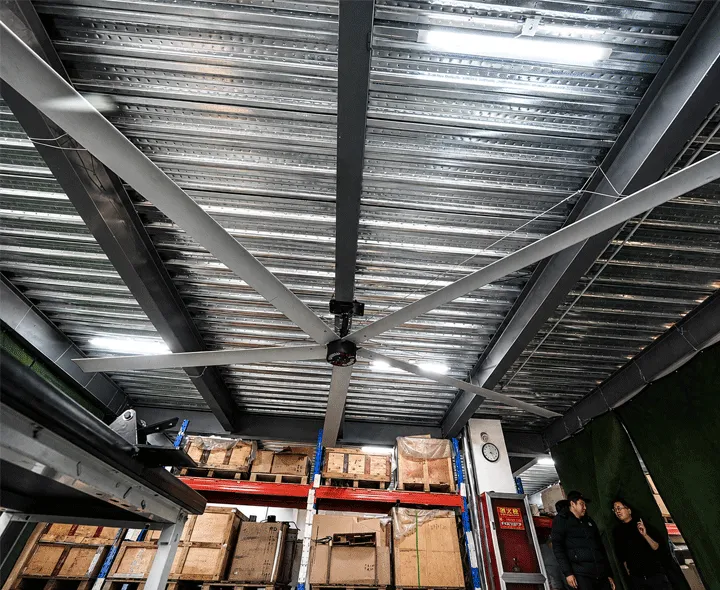
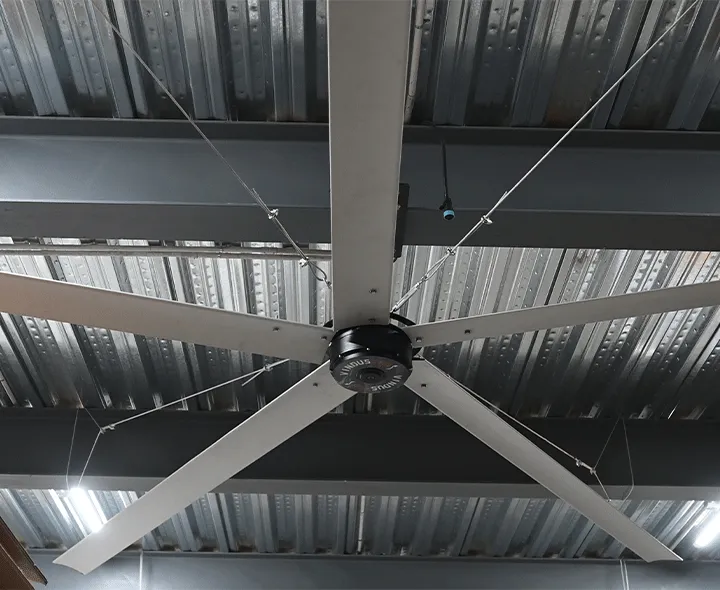
A hot room, busy garage, or large warehouse can become uncomfortable fast. A weak fan only pushes warm air around. The right pedestal fan, tower fan, or industrial fan helps people feel cooler, improves airflow, and supports better comfort with lower energy waste.
The best pedestal fan is the one that matches your space, noise needs, airflow range, speed setting, and control method. For bedrooms and home offices, a quiet pedestal fan or smart pedestal fan works well. For garages, workshops, and large commercial areas, industrial fans or HVLS fans often provide stronger, wider, and more efficient cooling.
Artikelübersicht
- What makes the best pedestal fan in 2026?
- Is a pedestal fan better than a tower fan?
- What is the difference between a pedestal fan and an air circulator?
- What pedestal fan features should buyers compare?
- Is a quiet pedestal fan good for bedroom and office use?
- What is the best pedestal fan for garage, warehouse, and commercial spaces?
- Are Dreo, Meaco Sefte Pedestal, and other smart fans worth considering?
- When should buyers choose industrial fans instead of pedestal fans?
- How do HVLS fans compare with pedestal fans?
- How should B2B buyers choose the right fan supplier?
- FAQs about pedestal fans, tower fans, and industrial cooling
What Makes the Best Pedestal Fan in 2026?
The best pedestal fan should do three things well: move enough air, stay comfortable to use, and fit the space. A good pedestal fan should not only look modern. It should also provide useful fan speed options, stable oscillation, safe fan blades, and easy control.
For a small room, bedroom, or home office, the best pedestal may be a quiet fan with remote control and soft airflow. For a garage or workshop, the right pedestal fan may need stronger airflow, a durable stand, and a wider fan head. For a factory or warehouse, a normal stand fan is often not enough.
In 2026, many fans on the market focus on smart control, quieter motors, wider oscillation, and better energy use. But one rule has not changed: finding the right fan starts with the room, not the fan brand.
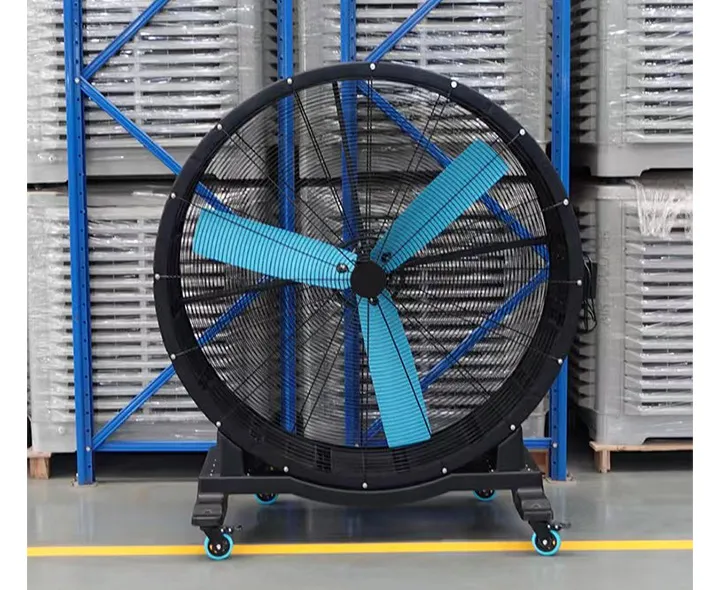
What Is the Best Pedestal Fan? Guide to the Best Pedestal Fan, Tower Fan, and Industrial Cooling Fans of 2026
Is a Pedestal Fan Better Than a Tower Fan?
A pedestal fan is often better when you want adjustable height, direct airflow, and stronger air movement. It works well in bedrooms, offices, workshops, small shops, and garages. You can tilt the fan head, set the fan speed, and aim the airflow where people sit or work.
A tower fan is often better when you want a slim design and safe enclosed blades. It fits well in living rooms, reception areas, and narrow spaces. The best tower fan may look cleaner than a traditional fan, but it may not always push air as far as a powerful Standventilator.
Here is a simple comparison:
| Lüftertyp |
Am besten für |
Main Advantage |
Main Limit |
| Standventilator |
Bedroom, office, garage |
Adjustable height and strong airflow |
Takes floor space |
| Turmventilator |
Living room, narrow space |
Slim design and safe body |
Less direct air throw |
| Floor fan |
Workshop, garage |
Strong local cooling |
Low height |
| Desk fan |
Desk, small room |
Personal airflow |
Small coverage |
| Industrieventilator |
Factory, warehouse |
Heavy-duty air movement |
Needs correct sizing |
For home users, both pedestal fans and tower fans can work. For B2B projects, the question is larger: How much space must the fan cool, and how many people need comfort?
What Is the Difference Between a Pedestal Fan and an Air Circulator?
A pedestal fan usually blows air in a direct path. You feel the breeze when you sit in front of it. An air circulator is designed to move air across the whole room and create better mixing. A circulator fan may look smaller, but it can push air farther in a focused stream.
Ein air circulator fan is useful when you want to mix cool air from an air conditioner or move warm air away from one corner. It helps create whole room airflow instead of only one direct breeze. A pedestal air circulator combines the height of a pedestal fan with the room-mixing power of an air circulator.
For commercial buyers, this difference matters. A small fan may feel nice near one desk, but it may not solve heat stress in a large open area. In larger buildings, air circulation is a system issue, not just a single fan issue.
What Pedestal Fan Features Should Buyers Compare?
When you compare pedestal fans on the market, do not look only at price. A cheap fan may be loud, weak, unstable, or difficult to clean. A great pedestal fan should balance comfort, durability, control, and airflow.
Important pedestal fan features include:
- Speed setting: More speed levels help users adjust comfort.
- Fan speed range: Low speed should be gentle; high speed should be useful.
- Oscillation angle: Wider oscillation helps share airflow.
- Noise level: A quiet fan is better for sleep and office use.
- Remote control: A standing fan with remote is easier to use.
- Height adjustment: Helpful for bed, desk, or workbench height.
- Fan head tilt: Lets users aim airflow up or down.
- Base stability: Important for safety.
- Cleaning design: Dust builds up on fan blades.
- Motor quality: Affects life, heat, and noise.
For a simple home room, the best budget model may be enough. For a business site, low price should not be the only goal. Downtime, noise complaints, poor airflow, and short service life can cost more later.
Is a Quiet Pedestal Fan Good for Bedroom and Office Use?
Yes. A quiet pedestal fan is a strong choice for a bedroom, home office, hotel room, classroom, or clinic waiting area. When people sleep, study, or work, noise matters. A loud cooling fan can become annoying very quickly.
For a fan for bedroom use, choose low noise, smooth oscillation, stable speed setting, timer control, and gentle low-speed airflow. Some brands promote a 20db quiet pedestal fan or quiet fan for bedroom use. Always check how the noise was tested, because marketing numbers can vary.
For office use, the best fan is often not the most powerful fan. It is the fan people forget is running. Soft airflow, easy control, and low noise help comfort without distracting workers.
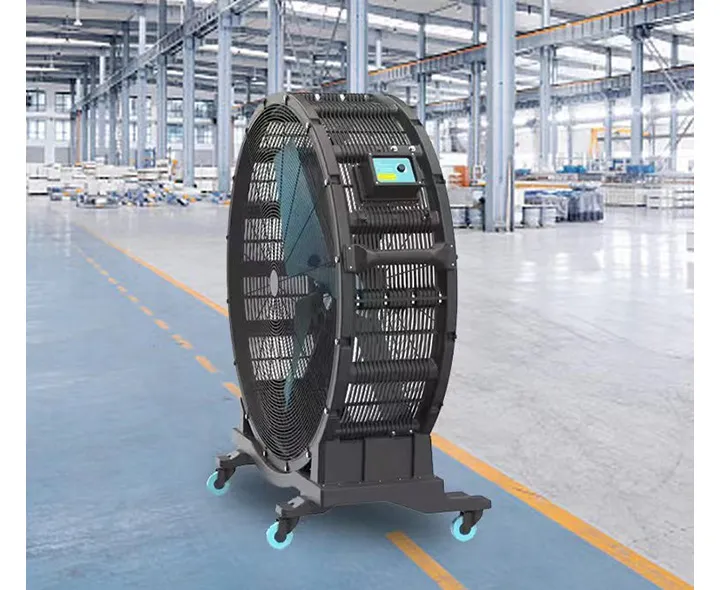
What Is the Best Pedestal Fan? Guide to the Best Pedestal Fan, Tower Fan, and Industrial Cooling Fans of 2026
What Is the Best Pedestal Fan for Garage and Workshop Cooling?
For a garage, workshop, repair bay, or small warehouse corner, the best pedestal fan should be stronger than a basic bedroom fan. It should move more air, stand firmly, and handle dust, heat, and longer running hours.
A pedestal fan for home may not survive heavy workshop use. In a garage, look for metal guards, stronger base support, larger blades, and a motor designed for longer operation. A powerful pedestal fan or oscillating stand fan can help move hot air away from people and tools.
Still, a garage can trap heat. A fan to beat the heat works better when placed near a door, window, or fresh air path. If the fan only blows hot indoor air around a closed garage, the space may feel better near the fan, but the room will not truly cool.
Are Dreo, Meaco Sefte Pedestal, and Smart Fans Worth Considering?
In consumer fan review content, names like Dreo, Meaco Sefte Pedestal, Dyson fan, and other smart fan models often appear because they focus on modern control, quiet operation, and comfort features. A Dreo fan may appeal to home users who want app control, remote control, or smart home functions.
A smart pedestal fan can be worth considering for bedrooms, home offices, retail corners, and small commercial rooms. Features like timer, sleep mode, automatic oscillation, remote control, and fine speed setting can improve daily comfort.
But B2B buyers should be careful. A fan review may test pedestal fans for home use, not for factories, logistics centers, livestock farms, or sports halls. Fans we tested in a home setting are not the same as industrial airflow systems. For large buildings, the best smart solution may be intelligent airflow control, not only a smart consumer fan.
Is a Pedestal Fan Better Than a Floor Fan?
A pedestal fan is better when you need airflow at body height. A floor fan is better when you need strong air movement from a low position. Floor fans are common in garages, workshops, warehouses, and temporary cooling areas.
A high-power floor fan for room use can push air strongly, but it may blow dust from the ground. A pedestal fan lifts the fan head higher, which can make airflow more comfortable for standing or seated people. That is why many buyers compare floor fan, stand fan, and oscillating pedestal fan options before choosing.
For commercial spaces, a mix may work best. A floor fan may support a workbench. A pedestal fan may support a packing area. A ceiling or HVLS fan may support the whole building.
What Is the Best Pedestal Fan for Commercial Buildings?
For small commercial rooms, the best pedestal fan should be quiet, safe, stable, and easy to control. For shops, offices, classrooms, restaurants, and reception areas, design also matters. A bulky industrial fan may not match the space.
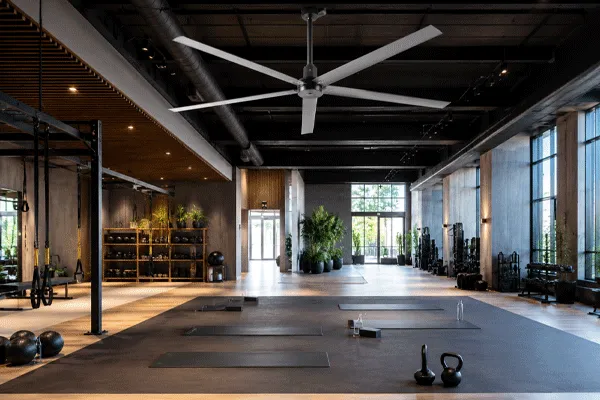
For larger commercial buildings, however, pedestal fans may create clutter. They take floor space, need power cables, and only cover a limited area. In a shopping mall, gym, sports center, exhibition hall, or transport station, ceiling-mounted solutions often look cleaner and perform better.
This is where commercial ceiling fan solutions can support wide, steady airflow without using valuable floor space. For building developers and HVAC contractors, that can improve comfort while keeping the interior clean and safe.
When Should Buyers Choose Industrial Fans Instead of Pedestal Fans?
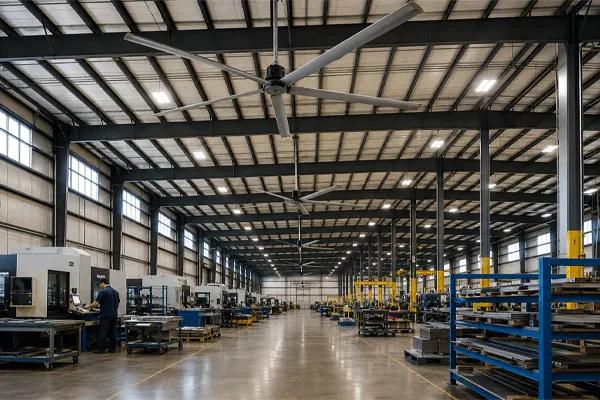
Buyers should choose an industrial fan when the space is larger, hotter, dustier, busier, or used for long working hours. A household pedestal fan may not be designed for continuous industrial use.
Industrial fans are suitable for:
- Manufacturing plants
- Lagerhäuser
- Logistics centers
- Loading docks
- Agricultural greenhouses
- Livestock farms
- Food processing areas
- Werkstätten
- Sports facilities
- Large public spaces
As a Sino-US joint venture manufacturer and solution provider, we specialize in HVLS fans, industrial ceiling fans, commercial ceiling fans, large industrial fans, and intelligent airflow control systems. We do not only sell a fan. We help buyers solve heat, humidity, stagnant air, destratification, and airflow coverage problems.
For buyers comparing home fans and industrial systems, our industrial ceiling fans page is a good starting point.
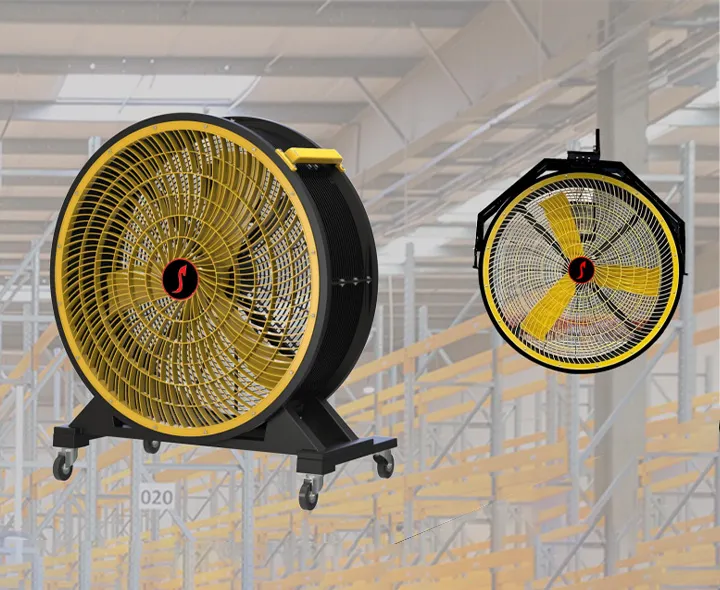
What Is the Best Pedestal Fan? Guide to the Best Pedestal Fan, Tower Fan, and Industrial Cooling Fans of 2026
How Do HVLS Fans Compare With Pedestal Fans?
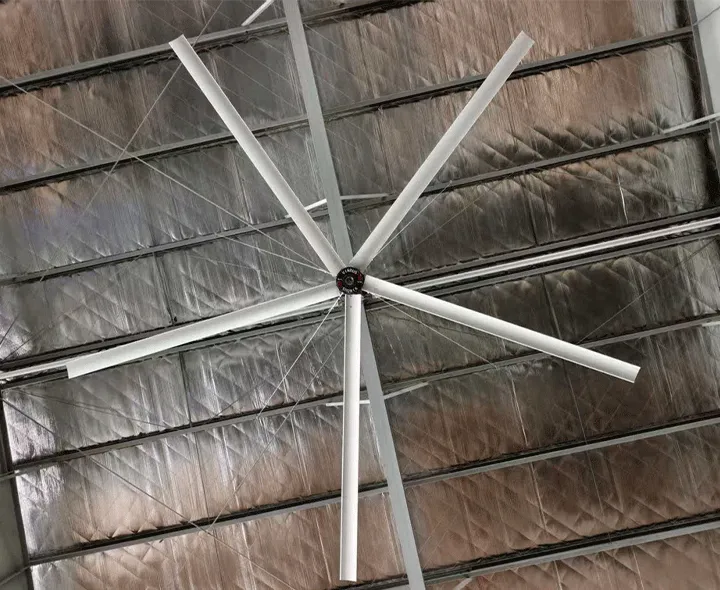
HVLS fans are different from pedestal fans. HVLS means High Volume Low Speed. These fans use large blades and low speed rotation to move a large amount of air across a wide area. They are designed for large spaces.
A pedestal fan gives local airflow. HVLS-Ventilatoren improve whole-area air movement. In a warehouse, one pedestal fan may help one worker. A properly selected HVLS fan may support comfort across a much larger zone.
Here is a practical comparison:
| Besonderheit |
Standventilator |
HVLS-Lüfter |
| Best area |
Small to medium local zone |
Large open space |
| Airflow style |
Direct breeze |
Wide, gentle circulation |
| Grundfläche |
Uses floor space |
Ceiling mounted |
| Lärm |
Depends on speed |
Often quiet at low speed |
| Best use |
Bedroom, office, garage |
Warehouse, factory, gym, farm |
| Energy goal |
Persönliche Kühlung |
Comfort + energy efficiency |
For medium spaces, the M650 Series HVLS Fans are designed for efficient airflow and commercial use. For larger industrial buildings, the M750 Series HVLS Fans provide wide coverage for high-ceiling areas.
Why Are HVLS Fans Better for Large Warehouses and Logistics Centers?
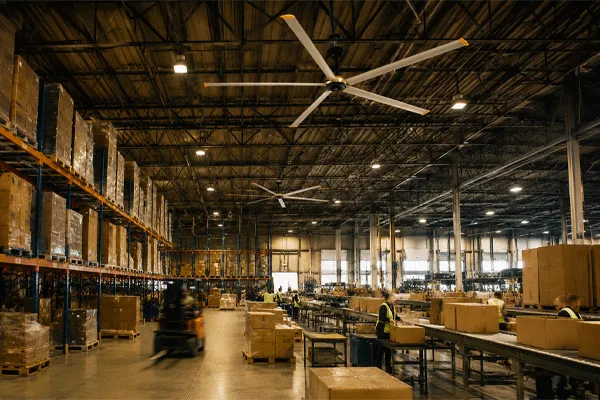
Large warehouses have special problems. Hot air collects near the roof. Workers feel heat near packing zones. Loading doors open and close. Some areas have poor airflow. A small pedestal fan cannot fix all of this.
HVLS fans move air slowly but widely. This helps reduce stagnant zones, improve worker comfort, and support HVAC energy efficiency. In winter, reverse low-speed operation can help push warm air down from the ceiling. This is called destratification.
For warehouse owners and logistics companies, warehouse HVLS fan solutions can help create a cleaner airflow plan. For distribution centers, logistics HVLS fan applications can support comfort in loading, storage, and operation areas.
How Should B2B Buyers Choose the Best Fan Supplier?
For B2B buyers, the best fan is not only a product. It is a solution. A distributor, factory owner, HVAC contractor, or commercial developer should ask whether the supplier understands airflow design, installation, control, safety, and after-sales support.
A strong supplier should provide:
- Fan model recommendation
- Airflow layout support
- Ceiling height guidance
- Motor and blade information
- Control system options
- Installation documents
- Safety design details
- Project references
- OEM or distributor support
- After-sales service
For global B2B buyers, a reliable partner should understand warehouses, factories, commercial buildings, agricultural spaces, sports centers, and public facilities. Our HVLS fans product center includes product options for different building sizes and airflow goals.
Case Study: From Pedestal Fans to HVLS Fans in a Hot Factory
A factory manager used several pedestal fans on the production floor. Workers near the fans felt better, but other zones stayed hot. The fans took floor space, created cable clutter, and made noise at high fan speed.
After reviewing the ceiling height, machine heat, worker positions, and ventilation path, the factory considered HVLS fans. The goal was not to replace every small fan blindly. The goal was to create whole-room air movement.
The new airflow plan used industrial ceiling fans for wide coverage and a few local fans for special workstations. The result was simple: better comfort, cleaner floor space, less noise, and more stable air circulation.
Quick Fan Selection Chart
| Raumtyp |
Better Fan Choice |
Warum |
| Bedroom |
Quiet pedestal fan |
Gentle airflow for sleep |
| Home office |
Smart fan or desk fan |
Easy control and low noise |
| Living room |
Turmventilator |
Slim design |
| Garage |
Powerful pedestal fan or floor fan |
Strong local cooling |
| Small shop |
Oscillating pedestal fan |
Flexible airflow |
| Lager |
HVLS-Ventilator |
Large-area circulation |
| Factory |
Industrieller Deckenventilator |
Durable and wide coverage |
| Sportzentrum |
HVLS-Ventilator |
Comfort in large open space |
| Greenhouse |
Industrial fan system |
Humidity and airflow control |
| Logistics center |
HVLS fans + local fans |
Better comfort in large zones |
FAQs About Pedestal Fans, Tower Fans, and Industrial Fans
What is the best pedestal fan to buy?
The best pedestal fan to buy depends on the space. For a bedroom, choose a quiet pedestal fan with timer and low-speed control. For a garage, choose a powerful pedestal fan with strong airflow and stable construction. For a warehouse, choose industrial or HVLS fans instead.
Is a pedestal fan better than a tower fan?
A pedestal fan is usually better for direct airflow and adjustable height. A tower fan is better for narrow spaces and modern design. For large commercial areas, neither may be enough, and industrial ceiling fans may be the better option.
What is the best budget fan?
The best budget fan is one that gives safe airflow, stable operation, useful speed setting, and acceptable noise at a fair price. Do not choose only by the lowest price, especially for business or long-hour use.
What is the best smart fan?
The best smart fan should offer remote control, timer, app control, smooth oscillation, and quiet low-speed performance. For large buildings, the best smart system may be a multi-fan control solution rather than one consumer smart fan.
Are pedestal fans good for sleeping?
Yes, a pedestal fan can be good for sleep if it is quiet, stable, and has gentle low-speed airflow. Look for a fan for sleep with timer control, low noise, and soft oscillation.
Can a pedestal fan cool a whole room?
A pedestal fan can help a room feel cooler by moving air, but it does not lower air temperature like an air conditioner. For whole room cooling, use good fan placement, ventilation, or AC support.
What fan is best for cooling a warehouse?
For a warehouse, HVLS fans are often better than pedestal fans because they move large volumes of air across a wide area. Local pedestal or floor fans can still help specific workstations.
Die wichtigsten Erkenntnisse
- The best pedestal fan depends on space size, airflow need, noise level, speed setting, and control method.
- A pedestal fan is good for bedrooms, offices, garages, and local cooling.
- A tower fan is slim and stylish, but it may not move air as strongly as a powerful pedestal fan.
- An air circulator is better for whole room mixing, while a pedestal fan gives more direct breeze.
- Consumer brands such as Dreo, Meaco Sefte Pedestal, and Dyson fan products are useful references for home comfort trends.
- For warehouses, factories, logistics centers, farms, sports halls, and commercial buildings, HVLS fans are usually a better long-term airflow solution.
- B2B buyers should choose a fan supplier that can provide layout support, installation guidance, intelligent control, safety design, and after-sales service.
- As a Sino-US joint venture HVLS fan manufacturer and solution provider, we help global buyers build energy-saving ventilation, cooling, destratification, and air circulation systems for large spaces.