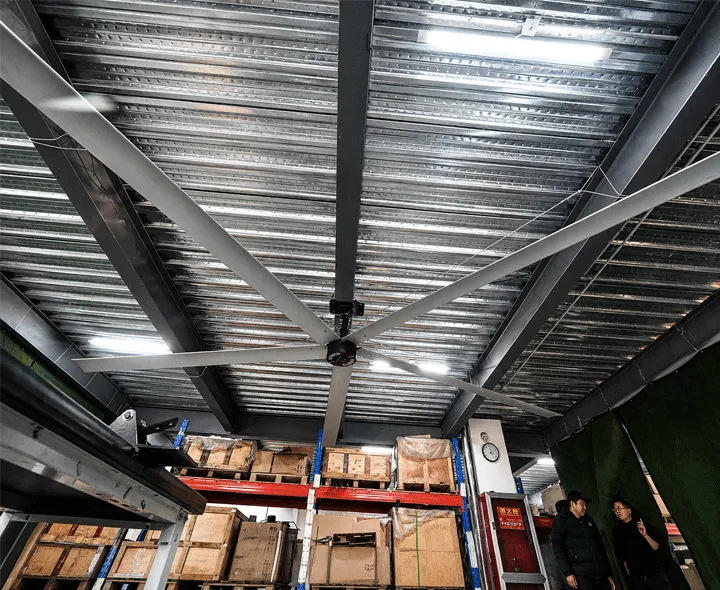
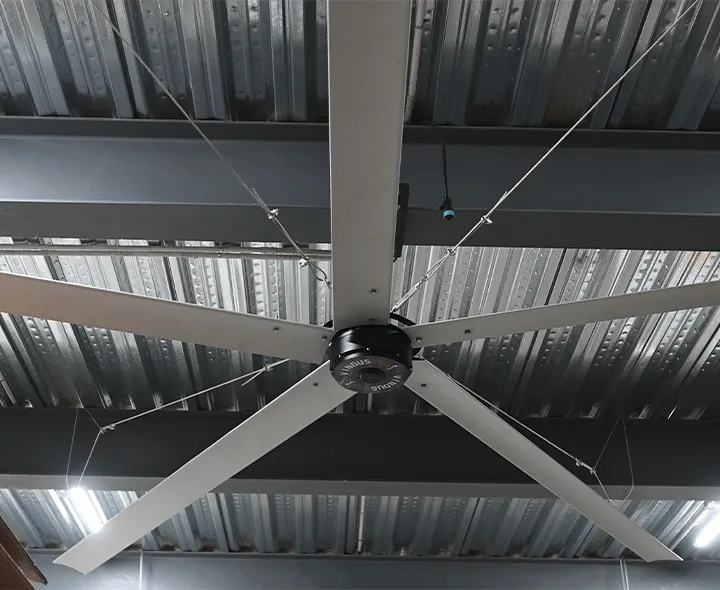
高温生产区域、通风不良和气流不均可能使工厂作业环境不舒适,并增加运营成本。安装错误的风扇可能只是转移热量,而无法解决真正的问题。更好的方法是根据各生产区域的需求匹配相应的冷却和通风设备。
工厂理想的工业降温风扇系统应根据建筑布局和工况,将不同的风机技术相结合。HVLS 风扇提供大范围空气循环,轴流风机和排风扇支持通风换气,离心风机负责风管送风,便携式定向风扇则用于定向局部降温。
工厂和仓库工业冷却风扇选型:为各区域匹配 HVLS、排风和鼓风系统
1. 为什么工厂需要不止一种工业降温风扇?
制造设施内各处的温度和气流需求很少完全一致。装配区可能需要柔和的气流来提高工人的舒适度,而焊接工位则需要局部排风。包装线可能需要稳定的环境条件,装卸区则可能需要强劲的定向气流。
在整栋建筑中只使用一种工业风扇可能会带来问题。大型吊扇可以提高开放式生产车间的整体舒适度,但无法直接捕集焊接点产生的烟雾。同样,排风扇可以排出热空气,却不能自动为每个工位提供舒适的气流。
这就是为什么工业降温应从各区域的功能入手,而不是单纯计算需要多少台风扇。
实用的工厂降温方案通常会考虑四个目标:
- 整体降温:提升大面积有人区域的舒适度。
- 局部降温:将气流直接吹向工人或特定工位。
- 源头抽排:在热量、烟雾、烟气及其他污染物的产生源附近将其排除。
- 空气补充:提供适当的补风,以平衡通风系统。
这些目标可能需要不同的冷却系统协同工作。
例如,大型工厂可以使用 HVLS 风扇实现整体空气流通,使用壁挂式定向风扇服务特定工位,并采用独立的排风与补风系统进行工艺通风。
这样能形成更有序的空气管理方案,而不是每当员工反映某个区域闷热时就盲目增添设备。
2. 选择降温风扇前,应如何识别工厂热源?
在选购降温风扇之前,应先明确热量进入建筑物的途径以及员工感到最不适的区域。
常见的工业热源包括:
- 熔炉和烘箱
- 焊接和切割设备
- 注塑机
- 金属加工设备
- 蒸汽管道和加热生产线
- 压缩机和电气设备
- 通过屋顶和墙壁进入的太阳辐射热
不同的热源会带来不同的问题。熔炉产生的辐射热与聚集在高大工业建筑天花板附近的热空气并不相同。移动式风扇可能有助于提高工人的舒适度,但无法消除未隔热表面散发的辐射热。
适当的现场评估应记录空气温度、湿度、辐射热、工人活动情况以及现有气流。对于要求较高的环境,湿球黑球温度(WBGT)评估有助于评价工作场所的热暴露情况。
工厂热源评估
| 工厂区域 |
常见问题 |
推荐方案 |
| 装配线 |
气流分布不均 |
HVLS 风扇和定向风扇 |
| 焊接工位 |
烟尘与局部热量 |
局部排风通风 |
| 熔炉区域 |
辐射热和工艺热 |
隔热与排风 |
| 包装区 |
温暖、滞留的空气 |
整体空气循环与通风 |
| 装卸货区 |
局部热量积聚 |
移动式定向风扇 |
| 电气室 |
设备散热 |
工程化降温与通风 |
核心要点其实很简单:先找准热源,再选择设备。
这样可以避免不必要的采购,并帮助工程师制定兼顾员工舒适度和生产要求的气流方案。
3. 何时选择 HVLS 大风扇进行工业降温?
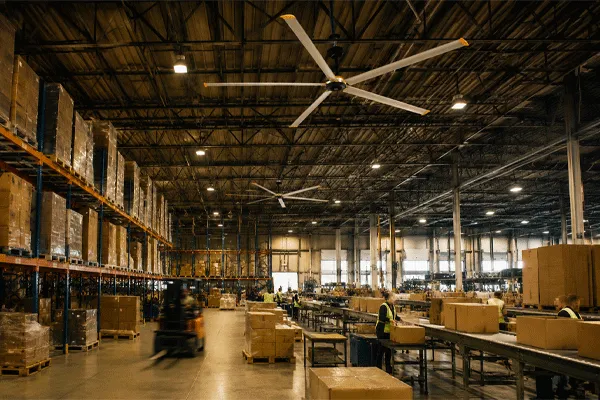
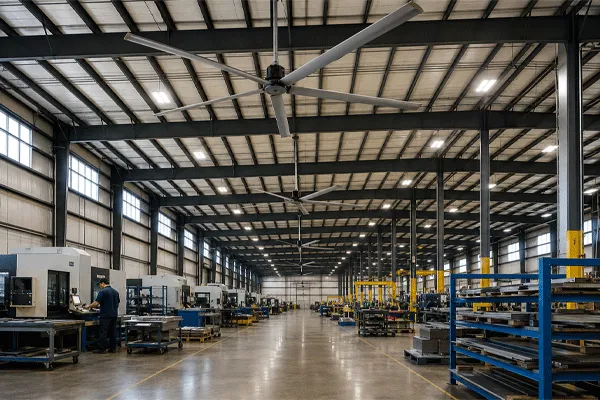
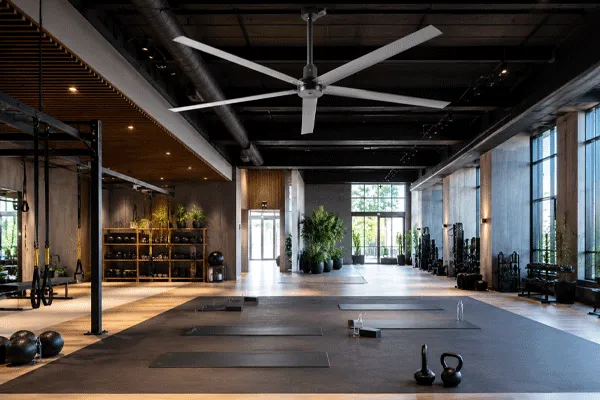
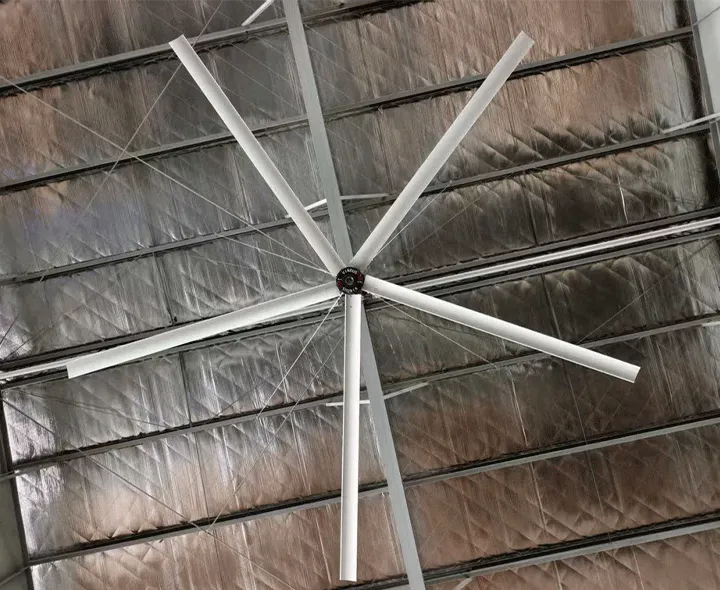
HVLS 风扇旨在以相对较低的转速,在广阔的室内区域输送大量空气。
与小型吊扇不同,HVLS 风扇可产生宽阔的向下气流柱,并在地面扩散。这有助于减少空气滞留区,在整座大型工业建筑内实现更均匀的气流循环。
它们尤其适用于:
- 大型制造设施
- 汽车装配厂
- 仓库和配送中心
- 金属加工车间
- 大型维修车库
- 开阔的生产车间
对于高顶厂房,热空气容易聚集在屋顶附近。选型得当的 HVLS 风扇有助于将这些热空气与下方的冷空气混合,在供暖季促进空气去分层。
HVLS 系统为何适用于大型工厂?
评估大型工业吊扇时应考虑:
- 建筑尺寸和天花板高度。
- 员工活动层面所需的气流速度。
- 屋顶结构和安装条件。
- 生产设备和高空障碍物。
- 电机技术和功耗。
- 运行计划与控制要求。
Vindus 提供多个 HVLS 产品系列,以适应不同的建筑条件。 Vindus HVLS 风扇产品系列 包括 P680、P730、P780、E680 和 E730 型号。
对于大型工业生产车间,应通过工程评估确定合适的直径和安装布置,而不是选择现有的最大型号。
HVLS 风扇尤其适用于改善整体空气循环的场景。它们不应被视为局部排风或所需新风通风的替代品。
4. 工厂何时应使用轴流风机或排风扇?
轴流风机推动空气沿相对笔直的方向穿过风机。其设计适用于静压要求较低的空气流动应用。
常见应用包括:
- 一般墙壁通风
- 屋顶通风
- 进风口和排风口
- 设备冷却
- 局部送风
- 补风系统
排风机的用途不同于普通冷却风扇。它将室内空气排出,并有助于以室外空气或经处理的补风空气进行置换。
这种区别在制造设施中尤为重要。
例如,一家生产金属零件的工厂可能会产生热量、烟尘和空气污染物。普通空气循环风扇只能带动建筑内的空气流动,无法安全替代污染源处设计合理的排气罩。
全面通风与局部排风
| 系统 |
主要功能 |
典型应用 |
| 轴流风扇 |
直通式气流 |
墙面和屋顶通风 |
| 排风扇 |
排出室内空气 |
全面换气 |
| 局部排风 |
在源头捕集污染物 |
焊接与化工工艺 |
| HVLS 风扇 |
大范围室内空气循环 |
大型生产区域 |
选择轴流风机时,应检查风量、静压、风管阻力、噪声和安装条件。在自由送风条件下风量很大的风机,连接风管或过滤器后的性能可能有所不同。
5. 何时适合使用离心风机、鼓风机和管道风机?
某些工厂冷却和通风应用需要的不仅仅是自由空气流动。
风管系统、过滤器、长距离管道或空气处理机组都会产生阻力。设备必须产生足够的压力,才能使所需风量通过整个系统。
这正是离心风机和鼓风机发挥重要作用的地方。
与轴流风机不同,离心风机使用旋转叶轮将空气向外输送。根据叶轮类型和运行工况,其设计可满足更高的静压要求。
典型应用包括:
- 除尘系统
- 工业过滤
- 烟尘排气风管
- 工艺送风
- 空气处理设备
- 物料干燥与冷却系统
应如何比较这些风机技术?
| 设备 |
空气流动 |
典型用途 |
| 轴流风扇 |
直通式气流 |
全面通风 |
| 离心风机 |
基于压力的气流 |
风管和过滤 |
| 工业鼓风机 |
更高压力的送风 |
工艺和气动应用 |
| 管道风机 |
管道气流输送 |
通风网络 |
| HVLS 吊扇 |
大范围低速循环 |
大型开阔空间 |
设备选型时,应关注风机性能曲线,而不能仅仅依赖宣传的风量数据。
通风工程师应计算系统阻力并确认所需的运行工况点。当系统包含过滤器、弯头、长风管或集气罩时,这一点尤其重要。
鼓风机并不意味着是更好的降温风扇,它只是专为不同的气流输送任务而设计的。
工厂和仓库工业冷却风扇选型:为各区域匹配 HVLS、排风和鼓风系统
6. 立式风扇、滚筒风机、落地风扇和壁挂式设备适用于哪些场景?
并非每家工厂的每个区域都有足够的顶部净空来安装 HVLS 风扇。一些生产区域还需要更集中的气流。
便携式和定向风扇有助于弥补这些不足。
当操作人员需要在工位上调节气流时,落地扇很实用。它们可以在不同生产岗位之间移动,但必须考虑其占地面积。
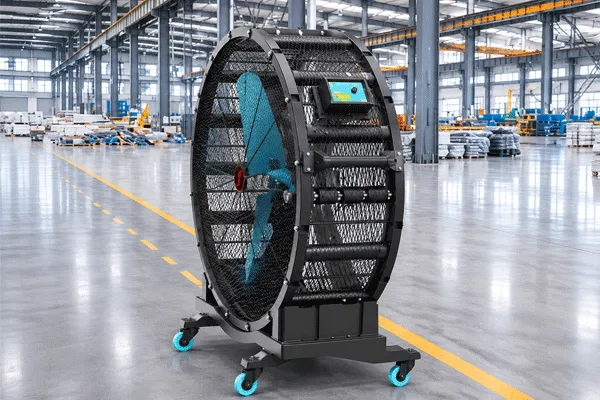
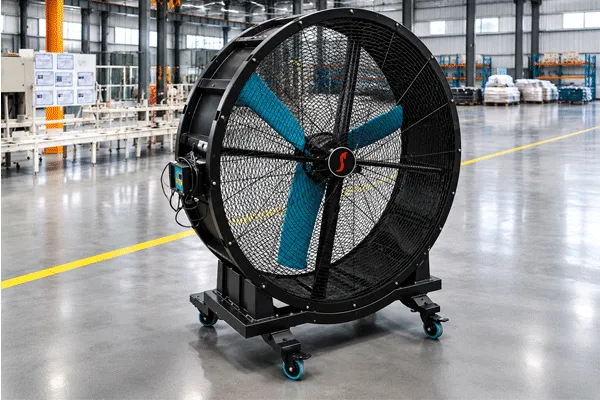
滚筒风扇可提供集中气流,常用于临时降温、维护作业以及需要灵活摆放的区域。
落地扇适用于特定的低位区域,而壁挂式工业风扇可使设备远离繁忙的通道。
应该选择哪种定向风扇?
| 风扇类型 |
主要优势 |
适用场景 |
| 落地扇 |
高度与方向可调 |
独立工位 |
| 滚筒风机 |
强劲的定向气流 |
临时降温 |
| 地面风扇 |
便携式局部送风 |
维护区域 |
| 壁挂式风扇 |
节省地面空间 |
固定生产区域 |
| 移动式定向风机 |
灵活调整位置 |
经常变动的工作区域 |
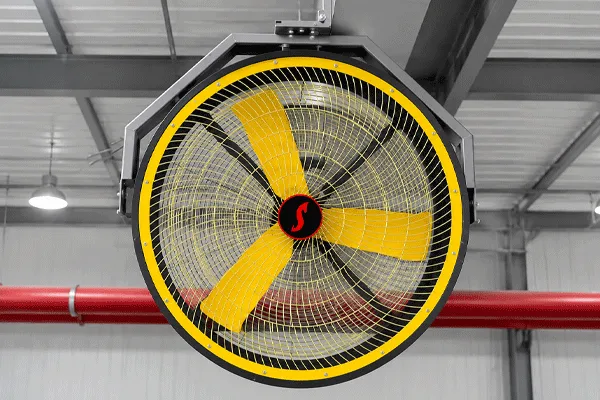
除 HVLS 系列外,Vindus 还提供专用的定向工业风扇产品。
C100 是一款 36 英寸移动式或壁挂式工业风扇,专为定向送风而设计。C150 是一款更大的移动式定向型号,专为开放式工作空间和装卸区域提供更大风量而设计。
了解 C100 移动式或壁挂式工业风扇 和 C150 大型移动式定向风扇 了解更多产品详情。
在大型吊扇无法覆盖每个工作区域的情况下,这些产品可支持工业冷却方案。
7. 蒸发式冷却风扇和喷雾风扇适用于所有工厂吗?
蒸发冷却风扇利用水分蒸发来降低空气温度。它们在湿度相对较低的炎热干燥环境中可能很有用。
但它们并不适合所有工业应用。
向室内空气中增加水分,可能会给需要控制湿度、保持表面干燥或维持产品状态稳定的设施带来问题。
例如:
- 金属加工可能需要进行湿度控制,以降低腐蚀风险。
- 包装作业可能需要稳定的湿度。
- 电气生产可能需要受控的环境条件。
- 食品加工可能对卫生和湿度管理有严格的要求。
喷雾风扇可在适宜的环境中提供局部降温,但操作人员必须评估水质、湿度、地面状况以及设备防护。
冷却风扇在解决现有问题时,不应制造新的问题。
在选择蒸发式冷却系统之前,请确认:
- 当地室外温度和湿度。
- 室内湿度限制。
- 产品对湿气的敏感性。
- 供水与水处理要求。
- 地面排水与滑倒风险。
- 维护与清洁需求。
对于某些工业环境,普通气流循环结合合理设计的通风系统是更为适宜的选择。
最佳方案取决于工艺,而不仅仅是气候。
8. 通风、补风和空气循环如何协同工作?
有效的工厂冷却系统必须同时考虑进入建筑物的空气和离开建筑物的空气。
排风设备排出室内空气时,必须通过专门设计的进风口或机械补风系统引入补充空气。
如果排风能力远超可用的补充空气量,建筑物可能会产生过大的负压。这会影响门、气流路径和通风性能。
也可能出现相反的问题:排风能力不足可能导致热量、湿气或污染物积聚。
均衡的工厂空气管理策略
| 系统组成部分 |
主要功能 |
| HVLS 风扇 |
整体空气循环 |
| 轴流送风机 |
室外空气送入 |
| 排气扇 |
室内排风 |
| 局部排风罩 |
在污染源处捕集 |
| 补风机组 |
补充排出空气 |
| 离心鼓风机 |
支持管道送风 |
| 暖通空调 |
温度和湿度控制 |
目标是在实现有效空气循环的同时,避免受污染空气扩散到洁净生产区域。
例如,工业设施可以在开放式装配区使用 HVLS 风扇,同时在焊接设备附近设置专用局部排风装置。
通风设计还应考虑空气质量、生产要求、建筑物压力和工人的位置。
工业建筑和商业建筑可能采用类似的风扇技术,但最终的气流布局必须反映建筑内部开展的具体活动。
9. 应如何比较工业降温系统及其运行成本?
采购价格最低并不一定意味着长期成本最低。
风机选型不当可能会消耗更多电能、无法提供有效气流,或需要频繁维修。更合适的系统初始成本可能更高,但能提供更好的运行灵活性。
比较冷却系统时,请考虑以下因素:
| 评估因素 |
检查事项 |
| 初始投资 |
设备和配件 |
| 功耗 |
额定功率和实际运行功率 |
| 气流性能 |
在所需运行点的输出 |
| 安装 |
结构和电气作业 |
| 维护 |
检查和更换要求 |
| 控制装置 |
变速和自动运行 |
| 环境适应性 |
粉尘、湿度、温度和腐蚀 |
| 服务 |
保修和备件 |
估算风扇年度耗电量的一种简便方法是:
年耗电量(kWh)= 功率(kW)× 每日运行小时数 × 年运行天数
例如,一台 0.6 kW 的风扇每天运行 8 小时,每年运行 300 天,其耗电量为:
0.6 × 8 × 300 = 每年 1,440 kWh。
This is an illustrative calculation. Actual consumption depends on operating speed, control settings, and operating conditions.
For large projects, compare the total power consumption of the proposed system rather than evaluating one fan in isolation.
Smart controls can also help match operation to production schedules. The FanBrain智能HVLS控制系统 supports centralized control, temperature-based operation, scheduling, and independent fan groups.
This allows factory managers to manage different production zones without running every fan at the same speed all day.
工厂和仓库工业冷却风扇选型:为各区域匹配 HVLS、排风和鼓风系统
10. How Can You Build a Factory Cooling Fan Plan with the Right Supplier?
A successful cooling project starts with a clear understanding of the factory.
Before requesting a quotation, prepare:
- Building length, width, and height.
- Roof structure and available mounting positions.
- Production equipment and heat sources.
- Employee working areas.
- Existing exhaust and ventilation equipment.
- Required airflow and environmental conditions.
- Electrical supply and operating hours.
- Dust, moisture, and process-related requirements.
A reliable manufacturer should review these details before recommending equipment.
At Vindus, we specialize in HVLS fans, industrial ceiling fans, commercial ceiling fans, large industrial fans, and intelligent airflow control systems. As a Sino-US joint venture manufacturer and solution provider, we support global B2B customers with airflow solutions for manufacturing facilities, warehouses, logistics centers, commercial buildings, and other large spaces.
Our product portfolio includes large HVLS ceiling fans as well as mobile and wall-mounted directional fans. This makes it possible to consider both broad-area air movement and targeted cooling within one factory airflow plan.
However, applications such as local fume extraction, centrifugal filtration, and process exhaust should be coordinated with the appropriate ventilation equipment suppliers and engineering professionals.
The objective is not to install the largest number of fans. It is to select the right equipment for each zone.
Planning a new factory or upgrading an existing cooling system? Share your floor plan, ceiling height, heat sources, and ventilation requirements with our team. We can help evaluate suitable HVLS and directional fan configurations for your facility.
访问我们的 manufacturing application page 或者 contact Vindus for an industrial cooling fan consultation.
常见问题
What is the best industrial cooling fan for a factory?
It depends on the application. HVLS fans are suitable for broad air circulation in large open spaces. Axial fans support general ventilation, while centrifugal fans and blowers are used for ducted systems and higher-pressure applications. Directional fans are useful for localized cooling.
Can HVLS fans replace industrial exhaust fans?
No. HVLS fans circulate indoor air, while exhaust fans remove indoor air. They perform different functions and may work together as part of a complete ventilation plan.
What is the difference between an axial fan and a centrifugal fan?
An axial fan moves air along the direction of its shaft and is commonly used for general ventilation. A centrifugal fan moves air outward through an impeller and is suitable for systems that require higher static pressure, such as ducts and filtration.
Are evaporative cooling fans suitable for manufacturing facilities?
They can work in hot, dry environments, but their suitability depends on indoor humidity, product sensitivity, and process requirements. Moisture-sensitive manufacturing operations should evaluate the risks before installing evaporative equipment.
Can one industrial fan system cool an entire factory?
A single fan type may not meet every requirement in a complex factory. Large open areas may benefit from HVLS fans, while production stations, exhaust points, and ducted processes need their own airflow solutions.
What should I provide when requesting an industrial cooling fan quotation?
Provide building dimensions, ceiling height, production layout, heat sources, existing ventilation equipment, electrical information, and the locations where employees need additional airflow. This information helps engineers develop a more suitable proposal.
关键要点
- Factory cooling should be planned according to production zones and actual airflow requirements.
- HVLS fans are suitable for broad air circulation in large open industrial spaces.
- Axial fans and exhaust fans support general ventilation and air replacement.
- Centrifugal fans and blowers are suitable for ducted systems that require static pressure.
- Pedestal fans, drum fans, floor fans, and wall-mounted units provide localized airflow.
- Evaporative cooling and misting fans require careful evaluation of humidity and process conditions.
- Make-up air, exhaust capacity, and indoor air circulation should be considered together.
- Compare industrial fan systems using actual airflow, power consumption, installation requirements, and maintenance costs.
- Choose a supplier that understands factory conditions and can provide appropriate engineering support.
Looking for a practical industrial cooling fan solution for your factory? Contact Vindus Fans to discuss your production layout, airflow requirements, and suitable fan configurations.