A hot room feels tiring fast. Put a fan in the wrong spot, and it may only blow warm air around. But with smart fan placement, you can move cool air in, push hot air out, and make the room feel cooler.
Place your fan low when you want to pull in cooler air from the floor, a shaded window, or another cool room. Place it high when you want to push hot air out, especially near an upper window or ceiling area. For maximum cooling, use fans strategically with airflow direction, windows, and room layout.
文章提纲
- Should You Place Your Fan High or Low?
- Do Fans Actually Cool a Room?
- How Does Fan Placement Create Better Airflow?
- Where Should You Place a Box Fan for Maximum Cooling?
- Is a Window Fan Better for Pulling Cool Air or Pushing Hot Air Out?
- How Should You Use a Ceiling Fan to Stay Cool?
- Is It Better to Point a Fan at You or Out the Window?
- How Can Two Fans Cool a Room Better Than One Fan?
- What Fan Types Work Best for Different Room Sizes?
- How Does Smart Air Circulation Apply to Large Commercial and Industrial Spaces?
- FAQs About Fan Placement and Cooling
- 关键要点
Should You Place Your Fan High or Low to Cool a Room? Maximum Cooling Guide for a Room with Fans
Should You Place Your Fan High or Low?
The best position depends on your goal. If you want to bring in cooler air, place the fan low near a window, doorway, or shaded side of the room. Cooler air often sits lower, so a low fan can pull cool air into the room or push it across the floor toward people.
If you want to remove hot air, place the fan high or near an upper window. Hot air rises, so a high fan can help move warm air outside the room. This is useful in upstairs rooms, workshops, kitchens, offices, and rooms that trap heat near the ceiling.
So, should you place your fan high or low? Use this simple rule: low for cool air intake, high for hot air exhaust. For the best results, combine both. One fan brings in cooler air. Another fan pushes hot air out.
Do Fans Actually Cool a Room?
Fans do not usually lower the air temperature by themselves. They make people feel cooler by moving air over the skin. The U.S. Department of Energy explains that circulating fans create a wind-chill effect, and that ceiling fans cool people, not rooms. It also says a ceiling fan can allow an air conditioning thermostat setting about 4°F higher with no reduction in comfort.
This is why pointing a fan at people can feel good even if the room temperature stays the same. Moving air helps sweat evaporate faster. That creates a cooling effect on your body.
But there is a safety limit. The CDC advises using fans indoors only when indoor temperatures are below 90°F, because above 90°F a fan can increase body temperature. In extreme heat, use air conditioning or go to a cooler place when possible.
How Does Fan Placement Create Better Airflow?
Good airflow has a path. Air should enter, move through the area you want to cool, and leave. Bad airflow has no path. It circles in one corner and leaves hot air in the rest of the room.
To improve air circulation, think about three zones:
| Zone |
What Happens There |
Best Fan Position |
| Cool source |
Shaded window, hallway, lower floor, air-conditioned room |
Place fan low to pull cool air |
| Living or working area |
People in the room need comfort |
Aim airflow across the body zone |
| Heat exit |
Window, door, upper area, ceiling heat pocket |
Place fan high to push hot air out |
A well-placed fan can significantly improve room comfort. A poorly placed fan may just move warm air from one wall to another. Simple placement makes a big difference.
Where Should You Place a Box Fan for Maximum Cooling?
A box fan works well in a window or doorway because it can move a larger volume of air. To bring in cooler outside air, put a box fan in a shaded window when the outdoor air is cooler than indoor air. This often works best in the evening, at night, or early morning.
To remove hot air, put a box fan facing outward in a window. This setup pulls warm air from inside the room and pushes it outside. The Department of Energy says window fans often work best when placed in windows facing away from the prevailing wind and used to exhaust hot air from the home. It also recommends closing windows near the fan and opening windows farther away, preferably on the windward side.
If you put a box fan in the wrong direction, it may bring hot outside air into the room. Always compare indoor and outdoor temperature first. Cooler outside? Pull cool air in. Hotter outside? Push hot air out or use air conditioning.
Is a Window Fan Better for Pulling Cool Air or Pushing Hot Air Out?
一个 窗户风扇 can do both. At night, it can bring in cooler air from outside. During the day, it can push hot air out if the room is warmer than the outside shade area. The best choice depends on the weather.
The Department of Energy explains that natural ventilation uses wind and the stack effect. Cool air can enter through lower openings, absorb heat, rise, and exit through higher openings. This works best in dry climates and during moderate weather with cool nights.
For one room, the easiest plan is:
- Use a fan near a window when outside air is cooler.
- Open another window or door across the room.
- Let the fan draw air from outside or exhaust hot air out.
- Keep windows closed when outdoor air is hotter than indoor air.
- Use curtains or shades to reduce sun heat.
Window fan use is powerful when timing is right. It is weak when the outside air is hotter than the room.
How Should You Use a Ceiling Fan to Stay Cool?
A ceiling fan is best for air movement across the whole room. It sits high, so it can circulate air evenly throughout the room. In summer, many ceiling fans run counterclockwise to push air downward and create a cooling effect.
Ceiling fan placement matters. The fan should be centered over the area where people sit, work, or sleep. A ceiling fan installation should also leave safe clearance from the floor, walls, lights, and furniture. For larger rooms, one small ceiling fan may not be enough.
The Department of Energy gives useful fan-size guidance: use a 36- or 44-inch diameter fan for rooms up to 225 square feet, and use 52-inch or larger fans for larger rooms. It also notes that rooms longer than 18 feet often work better with multiple fans.
Is It Better to Point a Fan at You or Out the Window?
It is better to point a fan at you when you want to feel cooler right away. Fans cool people through air movement. If you are sitting, sleeping, or working in one spot, pointing the fan toward your body can help you stay cool.
It is better to point a fan out the window when the room is full of hot air and the outside air is not hotter. Pointing the fan outward helps push hot air outside the room. Then cooler air can enter from another window, door, hallway, or shaded area.
Use this quick guide:
| Goal |
Better Fan Direction |
| Feel cooler now |
Point fan at people |
| Cool a room with fans |
Create intake and exhaust |
| Remove cooking heat |
Point fan out a window |
| Bring in night air |
Point fan inward from cool window |
| Support AC |
Point fan across the room, not into a wall |
If you ask, “Is it better to point a fan at me or out the window?” the answer is: at you for comfort, out the window for heat removal.
Should You Place Your Fan High or Low to Cool a Room? Maximum Cooling Guide for a Room with Fans
How Can Two Fans Cool a Room Better Than One Fan?
Using two fans often works better than one fan because you can create a clear airflow path. One fan pulls cool air into the room. The other fan pushes hot air out. This works especially well at night or when one side of the building is cooler.
A simple two-fan setup looks like this:
Cool side window ---> Fan 1 pulls cool air in ---> Room ---> Fan 2 pushes hot air out
Using two fans can also help circulate air in odd-shaped rooms. Place one fan low near the cool source and another fan high near the heat exit. This can move air throughout the room instead of only cooling one small corner.
For maximum cooling, keep doors open between rooms if the next room is cooler. If one room has an air conditioner, use fans to direct cold air toward the area you want to cool. Small fans can help distribute air from one room to another.
What Fan Types Work Best for Different Room Sizes?
Different fan types work better in different rooms. A small desk fan is good for personal cooling. A pedestal fan works well for living rooms and offices. Tower fans fit narrow spaces. Floor fans move strong air across open rooms. A ceiling fan is best for whole-room air circulation.
| 风扇类型 |
最佳用途 |
Placement Tip |
| Desk fan |
One person |
Point at upper body |
| 落地扇 |
Bedroom, office, living room |
Aim across the room |
| 塔扇 |
Narrow spaces |
Use oscillation |
| 落地扇 |
Strong low airflow |
Place low to move cooler air |
| Box fan |
Window or doorway |
Intake cool air or exhaust hot air |
| 吊扇 |
Whole room |
Use for broad circulation |
| Window fan |
Night cooling or exhaust |
Match direction to outdoor temperature |
The best fan is the one that matches the room size, heat source, and comfort goal. A single fan may be fine for a small bedroom. Multiple fans may be better for a larger room, office, workshop, or shared area.
How Can You Keep a Room Cool Without Making the Fan Work Too Hard?
Fan placement helps, but it is only one part of staying cool. You can reduce heat first, then use the fan to move air better. This gives better comfort with less noise and power use.
Try these steps:
- Close curtains during strong sun.
- Open windows only when outside air is cooler.
- Put a fan near a shaded window.
- Use another fan to exhaust hot air.
- Keep doors open when moving cool air between rooms.
- Turn off heat-making appliances when possible.
- Clean fan blades and grilles.
- Use air conditioning when the room is dangerously hot.
- Do not rely only on a fan during extreme heat.
Fans also help improve air quality when they bring in outdoor air, but only when outdoor air is clean and not too humid. In humid climates, natural ventilation may increase moisture, so use care. The Department of Energy notes that natural ventilation can be less suitable in humid climates because it may contribute to mold, mildew, and indoor air quality concerns.
How Does Smart Air Circulation Apply to Large Commercial and Industrial Spaces?
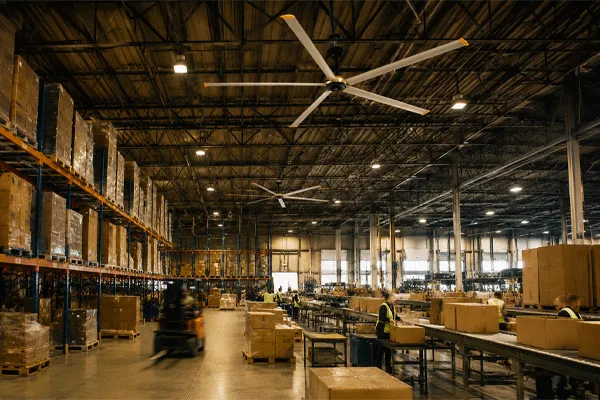
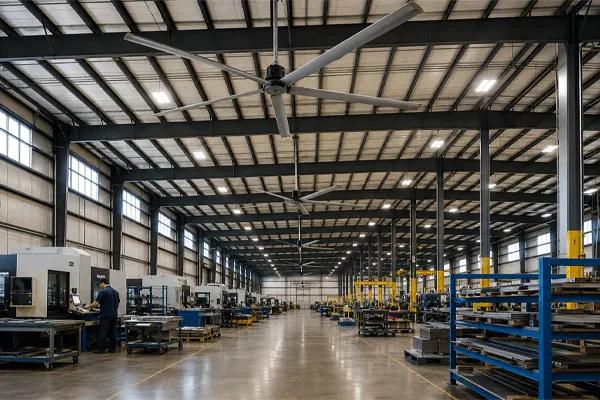
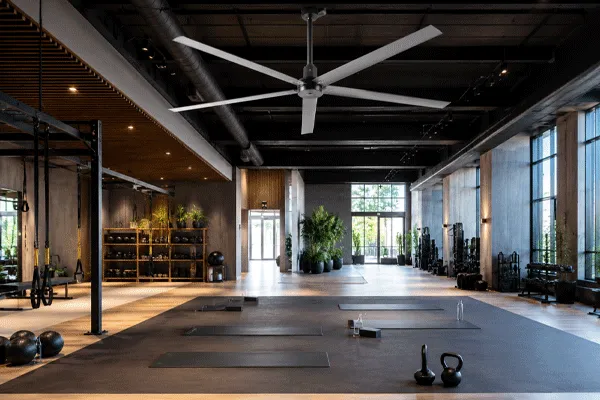
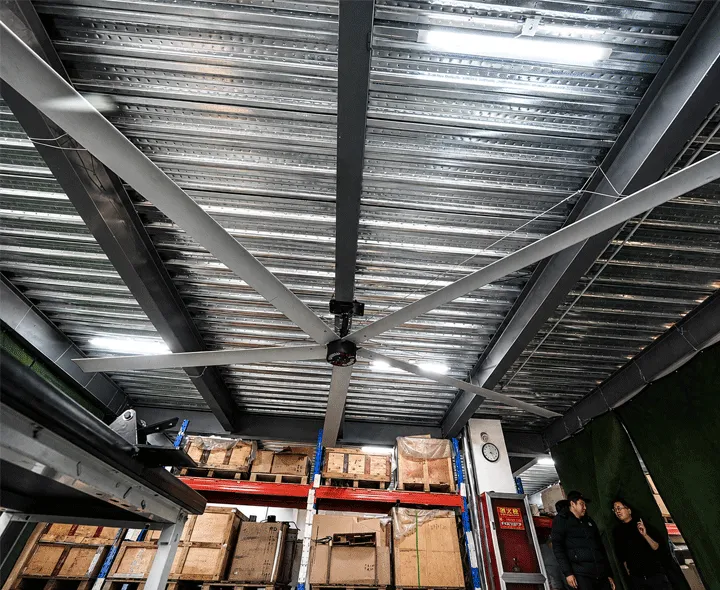
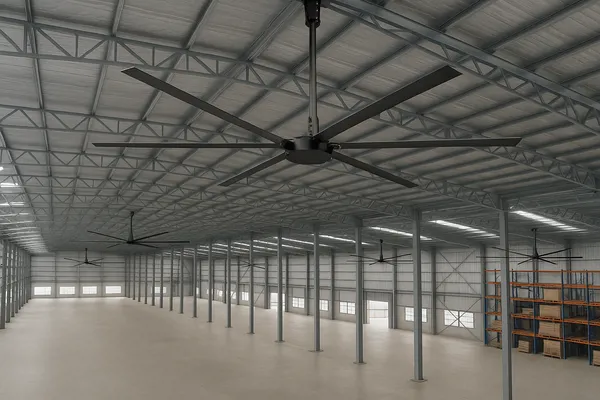
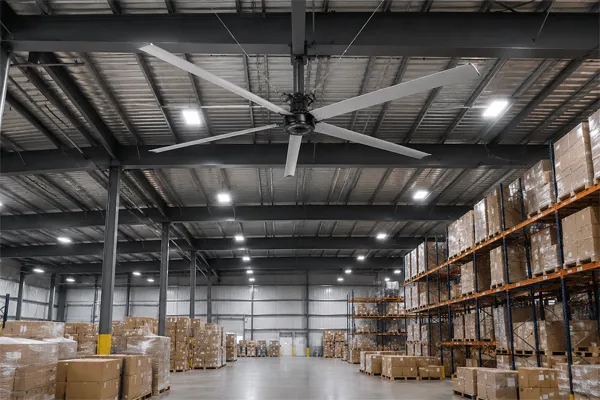
The same idea applies to large buildings. In a small room, you place fans to move cool air and push hot air away. In a warehouse, factory, gym, shopping mall, greenhouse, or livestock farm, you need a larger airflow plan.
As a Sino-US joint venture manufacturer and solution provider, we specialize in HVLS fans, industrial ceiling fans, commercial ceiling fans, large industrial fans, and intelligent airflow control systems. We provide energy-saving ventilation, cooling, destratification, and air circulation solutions for industrial, commercial, agricultural, logistics, sports, and large-space building applications.
HVLS 风扇如何改善大空间的气流?
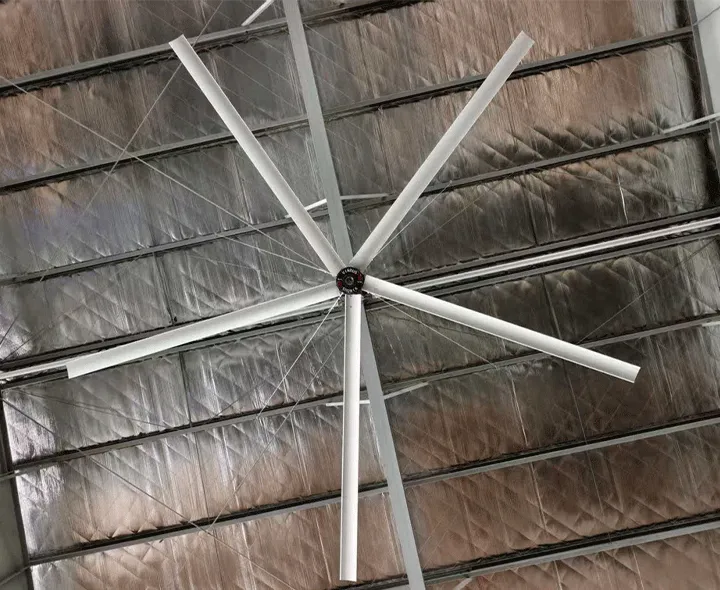
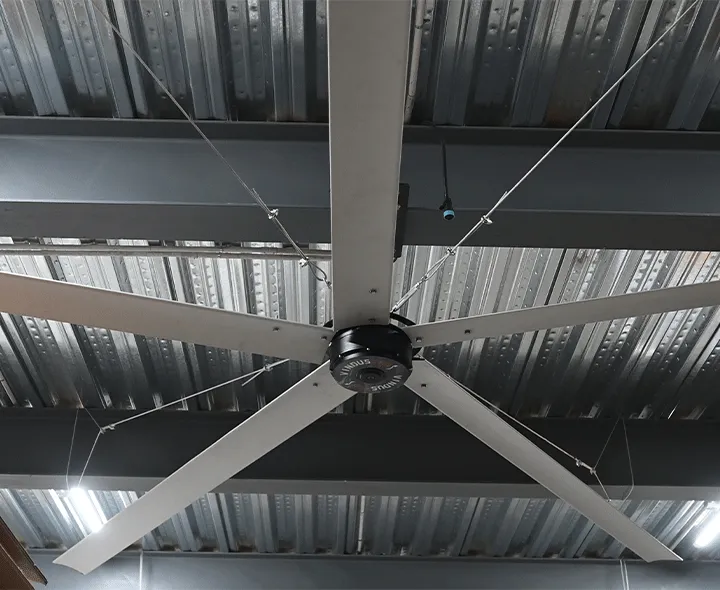
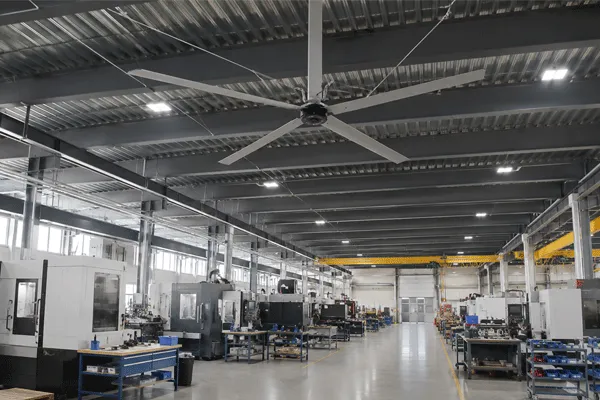
HVLS fans use large blades and low speed to move a wide column of air. They do not work like small room fans. They move air gently across a large area, which can help people feel cooler and reduce still-air zones.
In winter or air-conditioned spaces, HVLS fans can help circulate warm or cool air more evenly. In high-ceiling buildings, warm air can collect near the roof. Large fans can help mix that warm air down into the working zone, which supports comfort and energy savings.
For warehouse owners, logistics companies, factory managers, HVAC contractors, sports center operators, and agricultural facilities, this matters. Better airflow can reduce heat stress, improve worker comfort, support ventilation plans, and help the building feel more stable.
Should You Place Your Fan High or Low to Cool a Room? Maximum Cooling Guide for a Room with Fans
What Should B2B Buyers Ask Before Choosing a Fan Solution?
For homes, the question may be simple: high or low? For commercial and industrial spaces, the question becomes larger: where should fans be installed, what size should they be, and how should they work with the building?
B2B buyers should ask:
- What area do we want to cool?
- What is the ceiling height?
- Where does hot air collect?
- Where do people work most often?
- Do we need cooling, ventilation, destratification, or humidity control?
- Are there cranes, lights, racks, ducts, or sprinklers near the fan area?
- Should the fan system connect with smart controls?
- How many fans are needed for even airflow?
- What service and technical support does the supplier provide?
A good fan supplier should not only sell equipment. It should help you design airflow. That is where long-term value begins.
Case Study: From Hot Corners to Better Air Movement
A logistics facility had several loading doors and high ceilings. Workers felt hot near the packing area, even though the building had ventilation. Small floor fans helped only the people standing directly in front of them. The rest of the room still felt still and warm.
The project team reviewed fan placement, ceiling height, hot air zones, and worker positions. Instead of adding many small fans, the facility used large ceiling fans to move air across the working area. Smaller fans stayed near special workstations.
The result was more even air circulation and a better cooling effect for people in the room. The lesson is simple: fans work best when they support a planned airflow path. Random fans create random comfort. Smart placement creates better comfort.
Practical airflow note: A fan does not need to be loud to be useful. It needs to move air where people, animals, products, or processes need it most.
FAQs About Fan Placement and Cooling
Should I place my fan high or low?
Place your fan low when you want to pull in cooler air or move air across the floor. Place it high when you want to push hot air out, especially near a window or upper wall area.
Can a fan actually cool a room?
A fan does not usually lower room temperature by itself. It makes people feel cooler by moving air over the skin. With windows and smart airflow, fans can help exchange warm indoor air for cooler outside air.
Where should I put a box fan to cool a room?
Put a box fan in a window when outdoor air is cooler. Face it inward to bring in cooler air or outward to exhaust hot air. For best results, open another window across the room.
Is a ceiling fan better than a floor fan?
A ceiling fan is better for whole-room air circulation. A floor fan is better when you want strong airflow at body level or low-level cool air movement. Many rooms benefit from both.
Is it better to point a fan at yourself or out the window?
Point it at yourself when you want to feel cooler. Point it out the window when you want to remove hot air from the room. The best setup depends on indoor and outdoor temperature.
How do I cool one room with fans?
Use one fan to bring in cooler air from a shaded window, hallway, or air-conditioned area. Use another fan to push hot air out. Keep the airflow path open and avoid blowing air into a wall.
关键要点
- Place a fan low to pull in cooler air or move cool air across the floor.
- Place a fan high to push hot air out of the room.
- Fans cool people more than they cool rooms.
- For maximum cooling, use intake and exhaust airflow together.
- A box fan or window fan works best when outdoor air is cooler than indoor air.
- A ceiling fan helps circulate air throughout the room.
- Use two fans to create a clear airflow path.
- Do not rely only on fans during extreme heat; use air conditioning or a cooler place when needed.
- For large commercial and industrial spaces, professional HVLS fans and intelligent airflow control systems can improve comfort, ventilation, and energy efficiency.
- A reliable fan solution provider can help you design the right airflow plan, not just choose a fan.