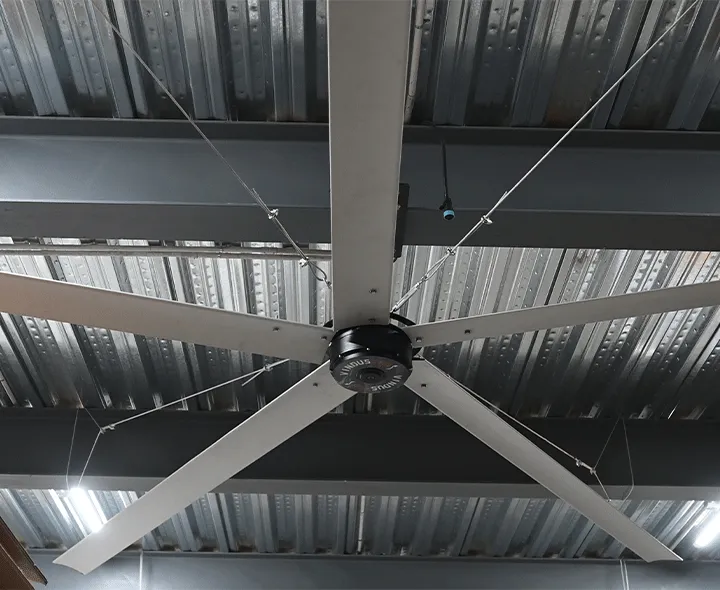
The Hidden Crisis in Large Building Air Management
Walk into any गोदाम, factory, या gymnasium on a hot day. You’ll feel it right away. Dead zones of stifling air. Hot spots near the ceiling. Cold pockets by the floor. Workers sweating. Energy bills soaring.
This isn’t just about comfort. It’s about money. सुरक्षा. उत्पादकता.
Large buildings face a brutal truth: traditional air systems fail. Small fans push air in circles. एचवीएसी प्रणालियाँ work overtime but can’t move enough air. Energy costs spiral out of control.
The math is harsh. A typical गोदाम wastes 30% of its cooling energy fighting poor हवा परिसंचरण. Manufacturing facilities see worker productivity drop 15% in stagnant air zones. Agricultural buildings lose crops to humidity pockets.
But there’s a solution. High-Volume Low-Speed (HVLS) fans change everything.
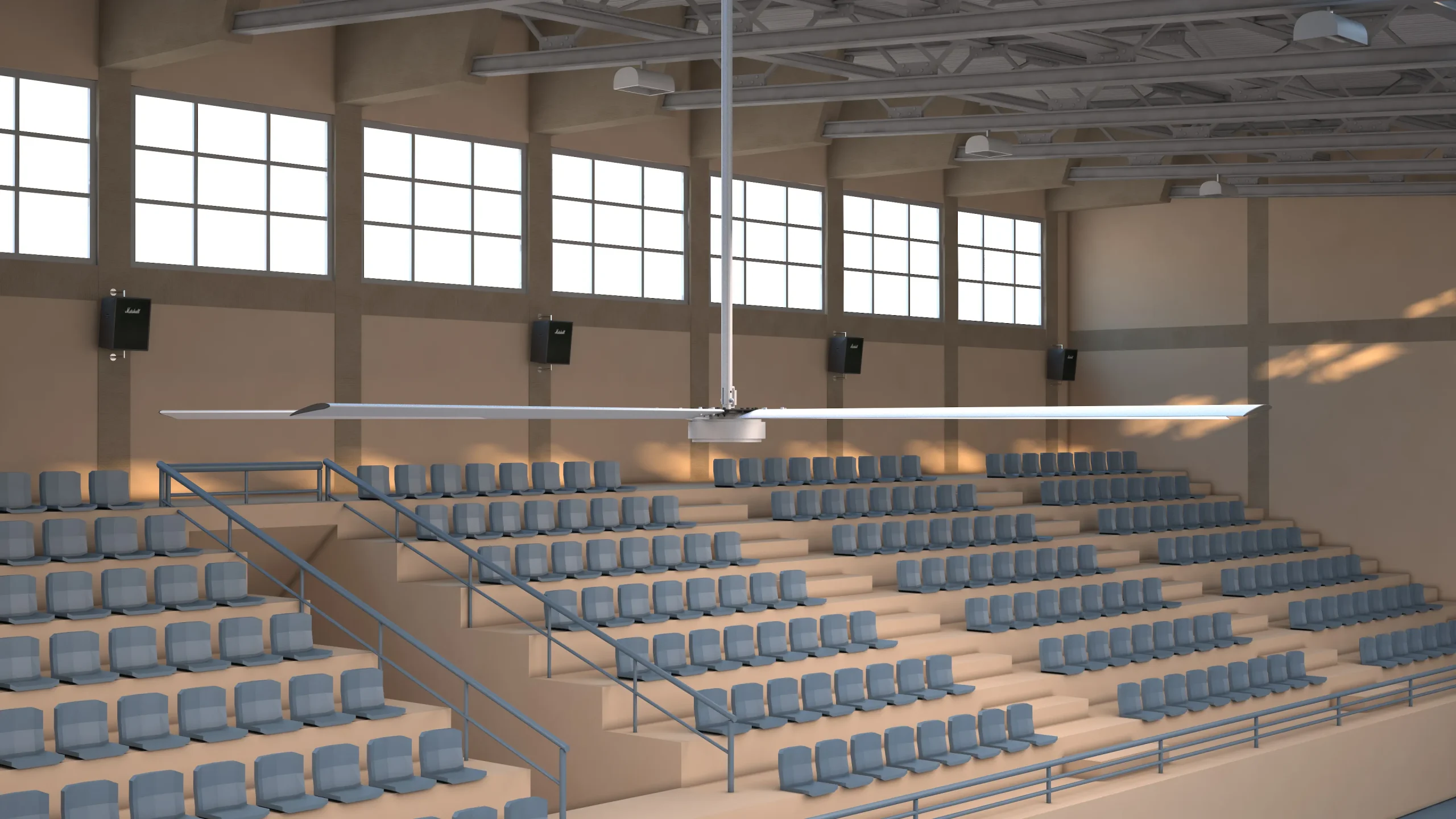
HVLS fans for large buildings
Pre-Installation Planning: The Four Critical Steps
Step 1: Structural Assessment – Building the Foundation for Success
HVLS fan installation starts with one question: Can your building handle it?
छत की ऊंचाई matters first. एचवीएलएस पंखे need 12 feet minimum clearance. Most औद्योगिक छत पंखे work best at 16 to 30 feet high. Higher ceilings mean better airflow patterns.
Mounting systems come in three types:
- Steel beam mounting– Direct attachment to I-beams
- Concrete pier mounting– Anchor bolts into concrete
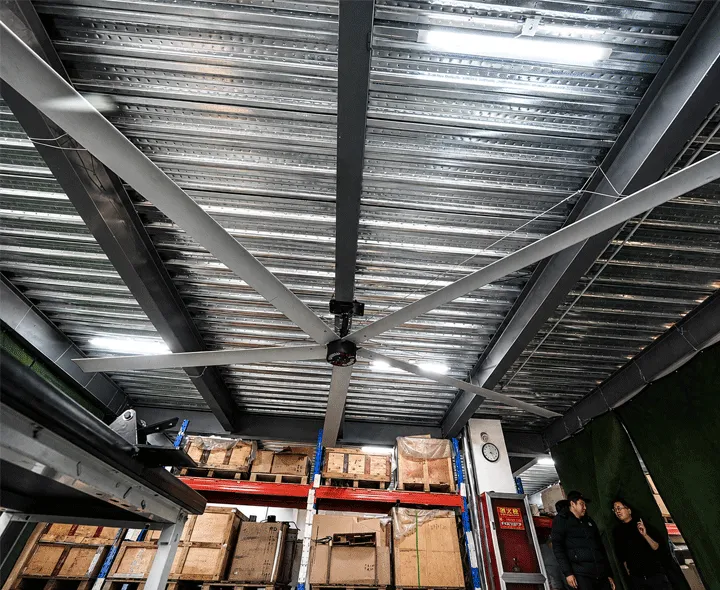
- Truss mounting– Aircraft cable suspension from roof trusses
प्रत्येक एचवीएलएस पंखा weighs 200 to 400 pounds. Add dynamic forces from rotation. Your structure must handle 3 times the static weight.
Load-bearing verification isn’t optional. A structural engineer must sign off. Seismic zones need extra bracing. Building codes vary by location.
Step 2: Safety and Compliance – Following the Rules That Save Lives
NFPA 13 sets the law for sprinkler systems. HVLS fan blades must stay 36 inches below any sprinkler head. No exceptions.
OSHA demands safe maintenance access. Service platforms या lifts must reach all fan components. Electrical disconnects go within sight of each fan.
Electrical codes specify three-phase power for most वाणिज्यिक एचवीएलएस पंखे. Variable frequency drives (VFDs) need dedicated circuits. Grounding follows NEC standards.
UL certification ensures motor safety. CE compliance matters for international installations. Always check local building codes.
Step 3: Placement Strategy – The Science of Airflow
Fan spacing follows proven ratios. One एचवीएलएस पंखा covers 3 to 4 times its diameter on the floor. A 20-foot fan effectively cools 60 to 80 feet of floor space.
Airflow patterns create the real magic. एचवीएलएस प्रौद्योगिकी pushes air down and out in a column. Air spreads across the floor then rises at walls. This creates natural circulation.
Collision zones kill efficiency. Map all overhead cranes, conveyors, और equipment. Blade clearance needs 7 feet minimum from any obstacle.
Door placement affects air exchange rates. Position fans to push air toward loading docks और ventilation openings. Work with existing एचवीएसी प्रणालियाँ, not against them.
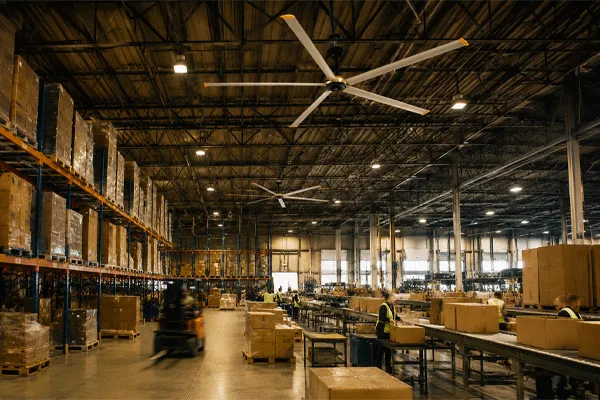
HVLS fans for warehouse applications show the best results with strategic placement near high-activity zones.
Step 4: Performance Goals – Measuring Success Before You Start
Target air velocity depends on use. गोदामों need 2 to 3 mph for comfort. Manufacturing floors may want 4 to 6 mph for cooling. Agricultural buildings focus on air exchange.
विस्तरीकरण breaks up temperature layers. Hot air rises and gets trapped near ceilings. एचवीएलएस पंखे mix air and create uniform temperatures throughout the space.
Energy savings calculations prove लागत पर लाभ. Studies show 20 to 30% HVAC energy reduction with proper HVLS installation. Payback periods range from 12 to 18 months.
Installation Process: Step-by-Step Precision
Mounting System Setup – The Backbone of Performance
Rigging protocols keep workers safe during ceiling installation. Heavy-duty lifts position fans precisely. Torque specifications ensure secure mounting.
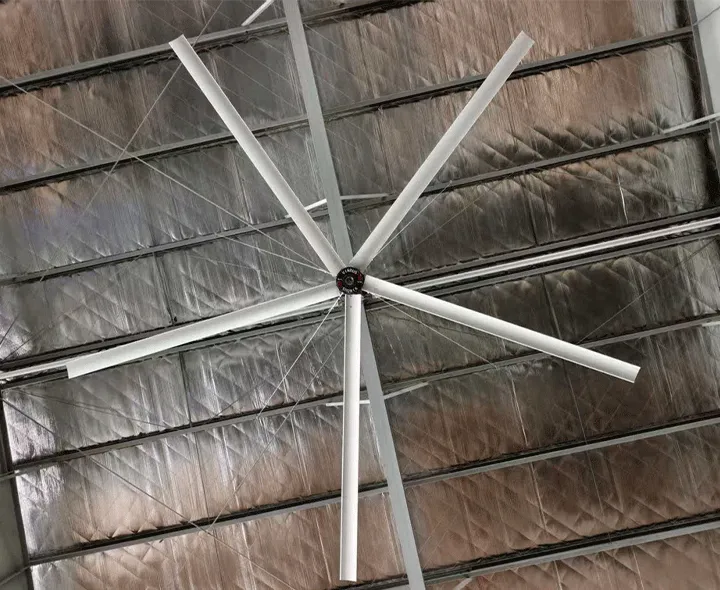
Downrod length affects airflow optimization. Longer rods move fans further from ceilings. This improves हवा परिसंचरण but requires more structural support.
Vibration dampeners prevent structural fatigue. Rubber isolators absorb motor vibrations. Flexible couplings protect electrical connections.
Electrical Wiring – Powering Peak Performance
Dedicated circuits prevent voltage drops. HVLS motors draw high starting currents. Circuit breakers must handle motor surge.
Variable frequency drives प्रस्ताव speed control. VFDs कम करना बिजली की खपत at lower speeds. They also provide soft starts that reduce mechanical stress.
Conduit systems protect wiring from औद्योगिक वातावरण. EMT conduit works for most applications. Rigid steel conduit handles harsh conditions.
Alignment and Balancing – Eliminating Vibration
Laser-leveling ensures perfect fan alignment. Even small angles cause wobbling. Precision mounting prevents bearing wear.
Dynamic balancing happens after installation. Vibration sensors detect imbalances. Weight adjustments on blade tips fix problems.
Testing procedures verify smooth operation. Run fans at full speed के लिए 2 hours minimum. Monitor for unusual noises या vibrations.
Control System Integration – Smart Operation
Wall controllers provide basic speed control. Digital displays show operating status. Emergency stops सुनिश्चित करना worker safety.
Building automation systems offer advanced control. Temperature sensors automatically adjust fan speeds. Occupancy sensors turn fans on when needed.
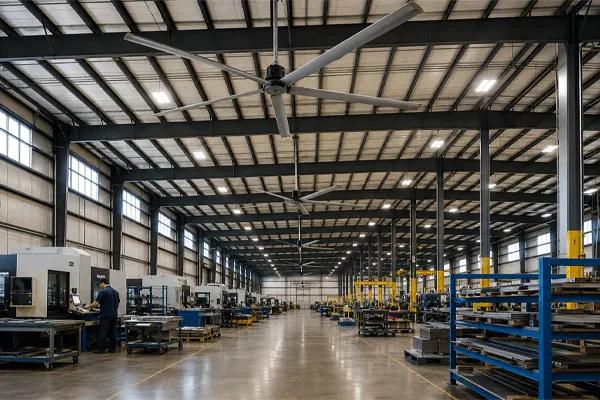
Industrial ceiling fans for manufacturing benefit most from integrated controls that respond to production schedules.
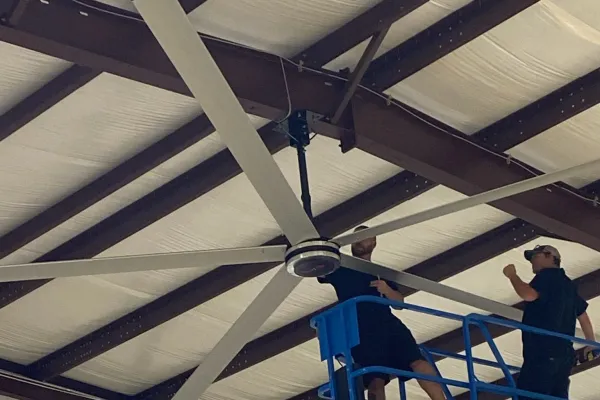
HVLS FAN Installation Process
Critical Safety and Compliance Verification
Fire Protection Systems
Re-verify sprinkler clearance after final installation. Building inspectors check 36-inch minimums strictly. Violations stop occupancy permits.
Fire alarm systems may need updates. Fan motors shouldn’t interfere with smoke detection. Emergency procedures must account for spinning blades.
Safety Clearances
Blade tip clearance protects people and equipment. 7 feet minimum से walking surfaces. 10 feet से work platforms provides extra safety.
Maintenance clearances सुनिश्चित करना service access. Filter changes, lubrication, और inspections need adequate space. Plan for equipment removal during major repairs.
Load Testing and Certification
Seismic zones require special testing. Shake tables simulate earthquake forces. Mounting systems must meet local seismic codes.
Certification documents prove code compliance. Keep structural calculations, electrical permits, और inspection reports. Insurance companies often require these.
Avoiding Costly Installation Mistakes
Common Planning Errors
✗ Underestimating ceiling obstructions costs time and money. Ductwork, lighting, sprinklers, और cable trays complicate placement. Survey everything before final design.
✗ Incorrect spacing creates dead air zones. Too few fans leave हॉट स्पॉट. Too many fans waste ऊर्जा and create अशांति.
✗ Ignoring maintenance access causes long-term problems. Service technicians need safe, easy access to motors, controls, और blades.
Technical Installation Errors
✗ Skipping vibration testing leads to structural damage. Unbalanced fans destroy bearings and crack mounting points. Always test thoroughly.
✗ Inadequate electrical sizing causes performance problems. Voltage drops कम करना motor efficiency. Undersized circuits trip breakers constantly.
✗ Poor alignment creates noise और wear. Crooked installations stress components. Use precision tools के लिए बढ़ते.
एचवीएलएस छत पंखे from quality manufacturers reduce many installation risks through better engineering और clear instructions.
Performance Data: Real Results from Real Installations
Energy Savings Results
Research from multiple facilities shows consistent energy reductions:
- HVAC energy savings: 20% to 30%reduction
- Operating cost savings: $0.06 to $0.12 per square footannually
- ROI timeline: 12 to 18 monthstypical payback
Pennsylvania warehouse case study: 22% productivity gain साथ 11°F temperature reduction. ROI achieved in just 9 months.
Operational Impact Measurements
Worker comfort improvements show dramatic results:
- Effective cooling: 5 to 8°Ftemperature difference
- Comfort satisfaction: 40% to 70%improvement
- Dead zone reduction: 30% to 50%fewer stagnant areas
Dubai airplane hangar achieved humidity control below 60% RH, preventing $240,000 yearly में corrosion damage.
Market Growth and Technology Trends
HVLS market size reached $1.28 billion in 2024. Projections show $2.3 billion by 2030 साथ 6.72% annual growth.
Key growth drivers:
- Warehousing demand: +47% increase
- Cold storage facilities: +39% growth
- IoT integration demand: +200% since 2020
High volume low speed fans for commercial applications lead market expansion.
Post-Installation Maintenance Protocols
Regular Inspection Schedules
Monthly checks prevent major problems:
- Visual blade inspectionके लिए cracks या damage
- Mounting bolttorque verification
- Electrical connectiontightness check
- Vibration monitoringके लिए changes
Quarterly maintenance includes:
- Motor lubrication(if required)
- Control systemcalibration
- Performance measurementbaseline
Cleaning Procedures
Dust accumulation reduces efficiency. Blade cleaning restores optimal airflow. Use mild detergent और soft brushes.
Industrial environments need frequent cleaning. Manufacturing dust, agricultural particles, और warehouse debris coat पंखा का ब्लेड जल्दी से।
Performance Monitoring
Energy meters track बिजली की खपत. Baseline measurements show efficiency changes. Increasing power use indicates maintenance needs.
Temperature logging proves continued performance. Hot spots returning suggests fan problems या changed airflow patterns.
Best HVLS fans include built-in monitoring systems for easier maintenance tracking.
Professional Installation vs. DIY: Making the Right Choice
When Professional Installation is Essential
Complex structures need expert installation:
- Historic buildingsसाथ challenging layouts
- High-ceiling installationsover 30 feet
- Seismic zonesrequiring special engineering
- Integrationसाथ building automation systems
Certified installers provide:
- Warranty protectionके माध्यम से उचित स्थापना
- Code compliancedocumentation
- Insurance coverageके लिए installation errors
- Performance testingऔर optimization
Installation Credentials to Verify
Installer qualifications matter:
- Manufacturer certificationfor specific fan brands
- Electrical licensingके लिए power connections
- OSHA safety trainingके लिए high work
- Structural experienceसाथ heavy equipment
Documentation requirements:
- Installation certificatesके लिए warranty claims
- Electrical permitsऔर inspections
- Structural calculationsके लिए building permits
- Performance test results
Advanced Technology Integration
स्मार्ट नियंत्रण प्रणाली
Modern HVLS fans integrate with building management systems. Temperature sensors automatically adjust fan speeds. Occupancy detection optimizes ऊर्जा उपयोग.
IoT connectivity enables remote monitoring. Smartphone apps नियंत्रण अनेक प्रशंसक. Data logging tracks performance trends.
Variable Speed Technology
EC motors प्रस्ताव precise speed control. Electronic commutation improves efficiency. Variable frequency drives कम करना ऊर्जा की खपत पर कम गति.
Automatic controls respond to changing conditions. Hot days get full speed cooling. Mild weather uses minimal energy.
एचवीएलएस पंखे साथ advanced controls show 35% better energy efficiency बजाय basic models.
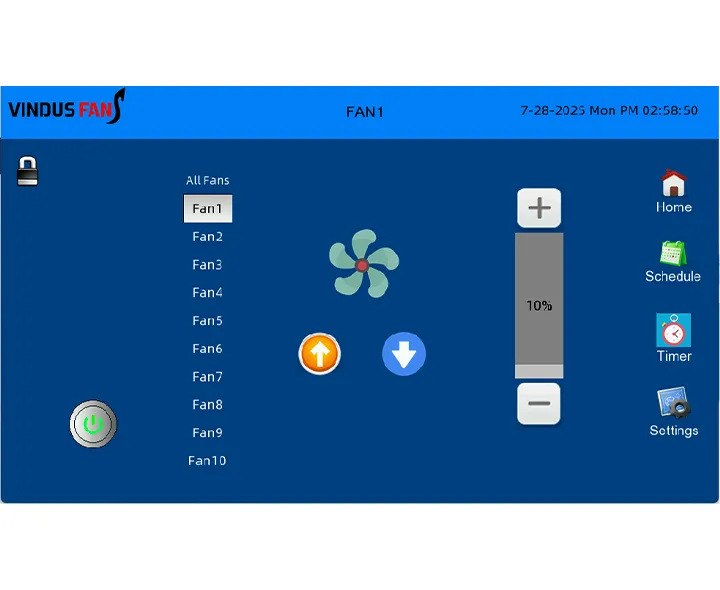
स्मार्ट नियंत्रण प्रणाली
Future-Proofing Your HVLS Investment
Emerging Technologies
AI-powered airflow mapping optimizes पंखे की स्थिति automatically. Machine learning predicts maintenance needs. Predictive analytics prevent equipment failures.
Battery backup systems maintain हवा परिसंचरण during power outages. Solar integration reduces operating costs आगे।
Sustainability Trends
Green building standards increasingly require efficient air movement. LEED certification rewards HVLS installations. Carbon reduction goals drive adoption.
Recyclable materials में fan construction meet sustainability targets. End-of-life programs handle component disposal responsibly.
Conclusion: The Science of Proper HVLS Installation
HVLS fan installation के लिए large buildings combines engineering precision साथ practical application. Structural analysis, safety compliance, और strategic placement determine success.
Key installation requirements:
- 36-inch clearancebelow sprinkler systems (NFPA 13)
- Structural load verificationके लिए dynamic forces
- Strategic spacingके लिए optimal airflow patterns
- Professional installationके लिए complex applications
Performance data proves HVLS effectiveness:
- 20% to 30% HVAC energy reduction
- 12 to 18 month ROItypical
- $0.06 to $0.12 per square footannual savings
HVLS fans manufacturer विंदुस प्रशंसक has documented similar results आर-पार गोदाम, उत्पादन, और agricultural installations since 2019.
The $2.3 billion projected market by 2030 reflects growing recognition का HVLS benefits. Proper installation unlocks maximum performance, safety, और ऊर्जा बचत के लिए decades of reliable operation.
Avoid costly mistakes. Follow engineering principles. Verify compliance. Monitor performance. HVLS fan installation done right transforms large building environments जबकि delivering measurable returns on investment.
Scientific studies and case study data referenced throughout demonstrate proven performance आर-पार multiple facility types और climate conditions. Professional installation following established protocols ensures optimal results और long-term reliability.